
Defining the House Edge: A Guide to Game Mechanics
The Complete Guide to Popular Casino Games and How to Play Them
Welcome to the thrilling world of casino games, where every spin, shuffle, and roll blends chance with excitement. Whether you’re chasing jackpots or just having fun, there’s a perfect game waiting for you. Your next big win could be just a click away—let’s explore what’s on the table!
Defining the House Edge: A Guide to Game Mechanics
The house edge is the mathematical advantage built into every casino game, ensuring the establishment profits over time. In simple terms, it’s the average percentage of each bet the house keeps, while you get the rest back as winnings. For example, in European roulette, a single bet has a house edge of about 2.7%, meaning for every $100 wagered, the casino expects to keep $2.70. This isn’t luck—it’s pure game mechanics, calculated from rules, payout odds, and probability. Understanding this helps you choose games with lower edges, like blackjack with perfect strategy (around 0.5%), versus high-edge slots. Remember, the edge never changes; it’s built into the system. By knowing it, you can play smarter and enjoy the game with realistic expectations, making your experience more entertaining and informed.
How Random Number Generators Shape Player Outcomes
The house edge is the mathematical advantage built into every casino game, ensuring the operator profits over time. It is expressed as a percentage of each bet the house expects to keep. For example, in American roulette, the edge is 5.26% due to the extra 0 and 00 slots. This edge is not a secret; it’s a fundamental game mechanic that determines your odds. To play intelligently, compare edges:
- Blackjack (with basic strategy): house edge as low as 0.5%.
- Baccarat (banker bet): 1.06%.
- Slots (average): 2–15% depending on the machine.
Focus on games with the lowest house edge to stretch your bankroll. Remember, the edge only guarantees the casino’s long-term profit—short-term variance can still favor the player, but knowing this mechanic is your best defense.
Understanding Return to Player Percentages and Volatility
The house edge is the mathematical advantage a casino builds into every game, ensuring long-term profitability regardless of individual wins or losses. Think of it as a silent tax on every bet, calculated as a percentage of each wager the house expects to keep over time. For example, in American roulette, the edge comes from the extra 00 pocket; in blackjack, it shifts with player mistakes. This built-in mechanic guarantees a predictable outcome for the house, while players face ever-changing odds. Understanding the mathematical advantage of casino games is the first step to managing your bankroll wisely.

Common House Edge Examples (per bet round):
- Baccarat (Banker bet): ~1.06%
- American Roulette: ~5.26%
- Slot Machines: 2–15% (varies widely)
Q&A
Can a player ever beat the house edge?
Only in short-term streaks. Over time, the edge ensures the casino’s profit. Skilled play in blackjack (card counting) can slightly reduce, but not eliminate, the edge.
Slot Reels: Strategy and Theme Selection
When diving into slot reels, mixing smart strategy with theme selection can seriously boost your fun—and your chances. The trick isn’t about beating the house, but picking games with high RTP (Return to Player) and volatility that matches your vibe. Love fantasy epics? Focus on slots with bonus rounds tied to the lore. Prefer classic fruits? Look for low-volatility machines that pay out smaller wins more often.
The true edge comes from understanding that no spin influences the next, so pick a theme that keeps you entertained during the dry spells.
Always check the paytable for special symbols like wilds and scatters, as they turn a gimmicky jungle theme into a real profit potential. Ultimately, the best strategy is to marry your preferred aesthetic with solid math—because a game you love playing is one you’ll play more patiently.
High Volatility vs. Low Volatility Machines for Different Bankrolls
Effective slot reel play hinges on understanding that random number generators dictate outcomes, while theme selection is a matter of personal preference rather than statistical advantage. Slot volatility directly influences payout frequency and win size, forming the core strategic consideration for bankroll management. Choosing a high-volatility slot may suit thrill-seekers, while low-volatility games offer sustained, smaller returns. Theme selection, by contrast, impacts engagement through visual and auditory elements, such as fantasy or ancient history motifs. No theme inherently improves your odds of winning. Strategic choices therefore focus on volatility, return-to-player percentages, and betting limits, not the narrative or graphics.
Progressive Jackpots: Chasing Life-Changing Wins
Mastering slot reels begins not with luck, but with deliberate strategy and theme selection. Choosing a theme that resonates with your interests—whether ancient mythology, adventure, or classic fruit machines—sustains engagement, but a smart player pairs this with research into volatility and RTP. Effective slot strategy hinges on selecting high-RTP games with volatility that https://jalwaverse.co.in matches your bankroll. For low-risk, frequent wins, opt for low volatility; for larger, less frequent payouts, target high volatility options. Always test theme-based slots in free play mode before committing real funds. Ultimately, the strongest approach combines a compelling narrative with a calculated bet size and bonus feature evaluation, ensuring every spin is both entertaining and optimized for potential returns.
Bonus Features and Free Spin Rounds Explained
When picking a slot machine, the theme might catch your eye first, but your slot reels strategy should actually determine your choice. Forget chasing a theme’s lore; instead, focus on reels that offer high RTP and low-to-medium volatility for steady play. A jungle adventure or Egyptian mystery looks fun, but if the paytable is stingy, you’re just donating money to the art department. Pair this with a bankroll management plan—like setting a loss limit before you spin—and you’ll get more minutes of enjoyment per dollar. The reel layout itself matters too: classic 3-reel slots hit less often but pay bigger, while 5-reel video slots spread wins out more regularly. Choose a theme that keeps you entertained, but always let math, not aesthetics, lead your game selection.
Card Games That Rely on Skill and Chance
Card games like poker and blackjack strike a perfect balance between **skill and chance**, making every hand a fresh mix of tension and strategy. You can know the odds inside out, but Lady Luck might still toss you a curveball when you least expect it. In bridge, partnership tactics and memory matter just as much as the random deal, while rummy tests your ability to adapt on the fly. *Even the best player can get humbled by a lucky draw from a newcomer.* For casual game nights, classics like Uno or Crazy Eights add chaos with wild cards, but knowing when to hold back or pile on gives you a real edge. That blend of calculated decisions and unpredictable outcomes keeps every round exciting, no matter how many times you shuffle.
Blackjack Basics: Doubling Down and Splitting Pairs
Card games thrive when they balance skill and chance, with the best strategy games for adults like Poker and Bridge demanding deep tactical thinking while dice or shuffled decks inject luck. In Poker, you calculate odds and read opponents, yet a bad river card can crush a perfect hand. Blackjack tests your ability to count cards and stick to basic strategy, but the dealer’s hidden hole card keeps the outcome unpredictable. Rummy relies on memory and discarding wisely, though a lucky draw can instantly turn a losing hand into a winning meld. Other examples include:
- Hearts – skill in passing cards, but chance in dealing
- Crazy Eights – bluffing and timing, yet random suits block plans
Q: Can luck be completely removed from card games?
A: No—shuffling and drawing always leave room for surprise, which is why games stay exciting even for experts.
Baccarat: Betting on Banker or Player
Card games that blend skill and chance offer the perfect mix of strategy and surprise. In games like poker or bridge, your decisions matter—bluffing, reading opponents, or calculating odds—but the luck of the draw can flip everything. This balance keeps things exciting, as no victory is guaranteed, and even a novice might beat a pro on a good day. It’s that unpredictability that makes each round feel fresh and rewarding.Skill-based card games with an element of luck appeal to both casual players and serious competitors. Key examples include:
- Poker: strategic betting meets random hands.
- Blackjack: math helps, but the deck can surprise.
- Rummy: pattern recognition with shuffled draws.
Poker Variations for the Modern Table
In the flickering lamplight of a smoky parlor, a game of poker unfolds as a perfect marriage of wits and luck. The deal brings a random hand, a pure gamble of chance that can crush the most confident player. Yet, the true art lies in the strategic bluffing in card games, where a player’s feigned confidence and calculated raises can turn a weak hand into a winning pot. It is a high-wire act of reading opponents and masking emotion, a skill that elevates the game far beyond a simple roll of the dice.
Spinning the Wheel: European and American Tables
Spinning the Wheel is all about the subtle but crucial differences between European and American roulette tables. The big kahuna is the single zero on the European wheel versus the double zero on its American cousin. This tiny addition drastically shifts the house edge, making the European version far kinder to your wallet. It’s the one choice that actually affects your odds more than any lucky charm. The table layouts also differ, with the European felt often featuring en prison or la partage rules that can save your skin on even-money bets. Stick to the single-zero game if you want a fighting chance; the double zero is a sucker’s game designed to drain your chips fast.
Inside Bets vs. Outside Bets for Risk Management
The wheel spins with hypnotic precision, a ritual of risk and reward that defines both European and American roulette tables. The core difference lies in the wheel itself: the European version features a single zero, while its American counterpart adds a double zero, significantly impacting the house edge. On a European table, you get 37 pockets, offering better odds and a house advantage of just 2.7%. The American table, with 38 pockets, doubles that edge to 5.26%. Choosing the right wheel directly affects your winning potential. Aesthetically, the European layout feels cleaner, often with players placing chips directly on the felt, while the American table uses a more complex betting layout and distinct chips for each player.
The single zero wheel isn’t just tradition—it’s the player’s best statistical friend.
For a clear breakdown of their differences, consider this:
- European Roulette: 37 slots (numbers 1-36 plus a single 0). House edge: 2.7%.
- American Roulette: 38 slots (numbers 1-36, plus 0 and 00). House edge: 5.26%.

The dynamic tension is the same—the ball clattering, the collective gasp—but the single-zero game rewards patience, while the double-zero wheel offers a more volatile, casino-favored challenge.
The Zero Pocket and Its Impact on Odds
In both European and American roulette, spinning the wheel relies on identical physics but diverges through a critical design difference. The single-zero European wheel offers a lower house edge of 2.7%, making it the superior choice for strategic players. American tables add a double-zero pocket, boosting the house advantage to 5.26% and significantly reducing player odds. Key distinctions include:
- Pockets: European has 37 total (0–36); American has 38 (00, 0–36).
- Special Rules: European tables often feature En Prison or La Partage, halving losses on even-money bets if the ball lands on zero. American tables lack these player-friendly rules.
- Risk Profile: European wheels favor patient bettors; American wheels are for high-volatility action but yield faster bankroll erosion.
For long-term sessions, always seek European variants to capitalize on the reduced mathematical disadvantage.
Dice Games and Fast-Paced Action
From the chaotic clatter of polyhedral dice in a tense combat encounter to the frantic roll of a twenty-sider deciding a last-ditch resurrection, dice games inject pure, unpredictable adrenaline into tabletop action. The fast-paced action of these games hinges on a single principle: every roll can pivot the narrative. A player’s heart hammers as they tumble the dice, hoping for a critical success to decimate a boss or a wild failure that sends the party scrambling. This instantaneous resolution strips away hesitation, forcing quick, bold decisions. The synergy between tabletop gaming strategy and the randomizing thrill of dice creates a dynamic loop where every turn feels like a high-stakes gamble. In these moments, the game board becomes a lightning rod for excitement, with each throw unleashing a new, heart-racing twist.
Q: What makes dice games feel so fast-paced?
A: The instant resolution of dice rolls replaces slow deliberation with a sudden, punctuated outcome, keeping the story and tension moving relentlessly forward.
Craps: Understanding Pass Line and Come Bets
The clatter of dice against felt is the first drumbeat of chaos, signaling the start of a high-stakes gamble where luck and velocity collide. In rush games like *Liar’s Dice* or *Mia*, players slap the table in frantic bluffs, shaking cups in a blur of motion as they call out escalating bids. The pressure mounts with each roll; a split-second hesitation can brand you a liar, losing your wager in a storm of laughter and groans. This fast-paced tabletop action transforms a simple luck game into a pulse-quickening duel of nerve and split-second reading of opponents. One false snap of the wrist, and the dice betray you—spinning wild off the rim—forcing a desperate recovery before the next throw begins the round anew.
Proposition Bets for High-Risk Players
For expert advice on fast-paced action, dice games offer relentless momentum by merging instant risk assessment with split-second resolution. Unlike turn-based board games, variants like “Dead Dice” or “Liar’s Dice” demand rapid betting, bluffing, and rerolls under time pressure. This compression forces players to calculate odds and adjust strategy mid-roll, creating a high-stakes adrenaline loop. Fast-paced dice game strategy hinges on reading opponents’ micro-expressions while managing your own luck curve. The tactile snap of dice against felt amplifies urgency—each throw can flip the entire leaderboard. To sustain speed, limit reroll phases to five seconds and ban table talk during resolve. This external pressure trains quick decision-making, making dice ideal for tournaments or party rounds.
Q&A:
Q: How do you maintain speed without sacrificing fairness?
A: Use a shot clock—each player has 5 seconds to call their roll action. If they miss, they forfeit their turn. This keeps pressure high while preventing fudged results.
Electronic Gaming Machines and Live Dealer Evolution
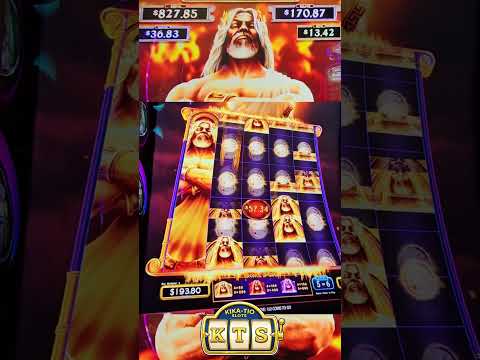
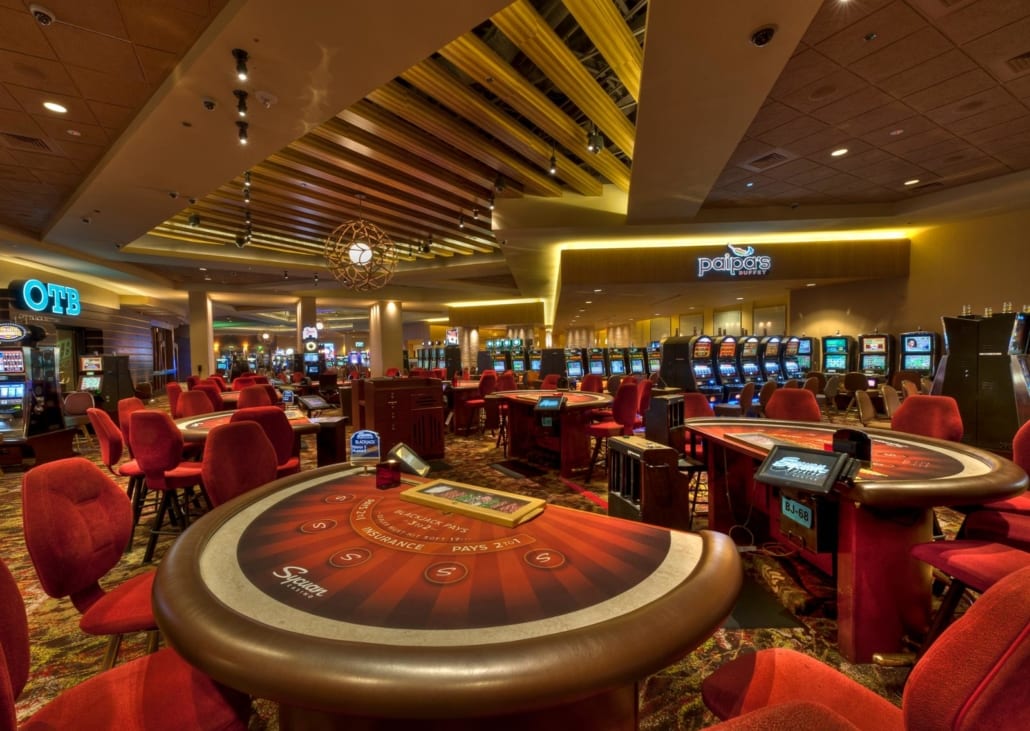
The hum of the electronic gaming machine has been radically transformed by live dealer evolution, bridging the gap between solitary play and authentic casino atmosphere. These digital terminals now stream real-time action from dedicated studios, where professional dealers shuffle cards or spin wheels via high-definition cameras. This fusion of RNG mechanics and human interaction creates a hyper-immersive experience, allowing players to chat with the dealer and witness every bet settle in crisp clarity. Evolution Gaming’s live dealer technology has turned static screens into bustling tables, while advanced sensors and optical recognition ensure split-second accuracy. The result is a dynamic ecosystem where land-based tradition meets digital convenience, delivering the thrill of a physical table without leaving your seat.
Q: How does live dealer functionality elevate electronic gaming machines?
A: It adds human authenticity, transparency, and social engagement, making each spin or hand feel personal and verifiable rather than algorithmically cold.
Video Poker: Combining Slot Ease with Strategic Choices
The fusion of Electronic Gaming Machines (EGMs) and live dealer evolution has fundamentally reshaped modern casino floors. Where EGMs once offered isolated digital spins, they now integrate streaming technology to create hybrid live dealer tables, allowing players to bet on real cards or roulette wheels from a pixel-rich terminal. This innovation merges the speed of slot-like play with the human interaction of a physical pit, erasing the line between solitary gaming and social authenticity. The result is a dynamic ecosystem where high-resolution screens display real-time studio feeds, while automated chip tracking ensures instant payouts. As EGMs adopt multi-camera angles and customizable interfaces, operators see increased session times, proving that players crave both the convenience of machines and the trust of a living dealer.
Virtual Sports Betting and Instant Win Titles
Electronic Gaming Machines (EGMs) have transformed from standalone slot terminals into sophisticated, networked systems that drive casino profitability through data-driven player engagement. Meanwhile, the evolution of Live Dealer technology has bridged the gap between digital convenience and authentic table game experiences. High-definition streaming and real-time interaction now define the modern gambling landscape. This convergence delivers a compelling hybrid: EGMs offer controlled, fast-paced play with advanced analytics, while Live Dealer tables replicate the human touch with professional croupiers and multi-camera feeds. The result is a seamless ecosystem where automated machines and live-action games coexist, maximizing player retention and revenue through superior immersive technology.
Real-Time Streamed Tables with Interactive Dealers
Electronic gaming machines have evolved from simple mechanical slots into sophisticated digital platforms, offering random number generator-based gameplay with immersive graphics and sound. Their modular design allows for rapid game updates and integration with player loyalty systems. Modern electronic gaming machines leverage advanced analytics to optimize floor performance. A parallel revolution is live dealer evolution, which blends the convenience of online access with the authenticity of a physical casino via real-time video streaming. Professional human dealers operate physical tables, while software captures every card shuffle and roulette spin. This hybrid model effectively bridges the gap between virtual and tangible gambling experiences. Operators must rigorously test network latency and camera clarity to maintain player trust in the game’s integrity.
Bankroll Management Techniques for Sustained Play
Imagine you’re at a poker table, the chips stacking up from a lucky streak. The euphoria tempts you to go all-in, but a seasoned player knows the real game is survival. Effective bankroll management for sustained play begins with the 50% rule, allocating only half of your session funds for actual betting, keeping the rest as a psychological anchor. This disciplined approach prevents emotional tilt from draining your capital when variance strikes. Another cornerstone is the 1-2% bet sizing per hand, ensuring one loss never devastates your stack. I once watched a friend ignore this, chasing aces until his session vanished like morning fog. By treating your bankroll not as money but as fuel for the long haul, you transform gambling from a frantic sprint into a measured marathon of calculated risk.
Setting Loss Limits and Win Goals Before You Start
Solid bankroll management is your ticket to staying in the game longer, whether you’re grinding poker or spinning slots. The golden rule? Never risk more than 1–5% of your total stash on a single session. This keeps sustained play bankrolls healthy through the inevitable ups and downs. A simple approach works best: set a loss limit for the day and walk away when you hit it. For example, if you start with $200, cap each session at $10–$20 in losses. Session caps protect you from chasing losses, while a win goal (like doubling your session budget) locks in profits early. Stick to these boundaries, and you’ll avoid blowing your roll in one go—keeping the fun alive for tomorrow.
Using Betting Systems like Martingale and Fibonacci
The seasoned player knows the rush of a hot streak fades fast without a disciplined anchor. I learned this the hard way, watching a promising session evaporate because I ignored effective bankroll management. The golden rule is simple: never risk what you cannot afford to lose, and always divide your total funds into small, consistent units. For sustained play, I follow a rigid system: set a loss limit (e.g., 20% of your bankroll) and a win goal (e.g., 50% profit before cashing out). Stop-loss and take-profit rules are non-negotiable, preventing greed from gutting your stack.
- Use 1–2% of your bankroll per bet or hand.
- Track every session in a log—losses teach more than wins.
- Lower bet sizes when you’re on a losing run; preserve capital.
Q: How do I rebuild after a big loss?
A: Reset your unit size to 1% of your remaining balance. Play only low-risk games until you regain confidence and funds. Cash out any profits immediately to rebuild your reserve. Patience, not emotion, repairs the hole.
Mobile Play and User Experience Trends
The hush of a subway car is broken by a soft tap. A rider, thumb gliding across a screen, doesn’t just unlock a game—they step into a world customized for their commute. This is the heartbeat of modern mobile play, where intuitive touch interfaces have transformed waiting rooms into battlegrounds and lunch breaks into epic quests. The trend isn’t about copying console experiences, but crafting fleeting, potent moments of escape. From haptic feedback that mimics the pull of a fishing rod to portrait-mode design that lets you play with one hand, the user experience now bends to the user’s life, not the other way around. This seamless blend of convenience and immersion keeps players returning, making every pocket-sized screen a portal to a new reality, all while prioritizing seamless performance over flashy graphics.
Touchscreen Optimizations for Table and Slot Interfaces
Mobile play now reigns supreme as the primary digital pastime, demanding frictionless experiences. The core trend is hyper-personalized, intuitive interaction, driven by predictive algorithms and seamless haptic feedback. Gamification elements like streak rewards and micro-challenges are now standard, designed to hook users in seconds. To succeed, developers must prioritize:
- Instant load times under two seconds, or users abandon the session.
- One-handed navigation optimized for thumb reach on larger screens.
- Rewarded ad integration that feels voluntary, not intrusive.
User retention hinges on rewarding micro-interactions rather than lengthy sessions. The formula is clear: deliver a satisfying “quick win” the moment the app opens. Ignoring these touch-responsive, speed-focused standards means losing a highly impatient audience to the next tap.
Compatibility with iOS and Android Devices
Mobile play now prioritizes seamless, session-based engagement, with users expecting instant access and rapid feedback loops. Optimization for one-handed navigation has become a baseline requirement for modern interface design. Key trends include:
- Adaptive latency: Systems that adjust gameplay to fluctuating network speeds.
- Vertical screen orientation: Dominant for hyper-casual and utility apps.
- Haptic feedback: Subtle vibrations replacing audio cues in silent mode use.
“A one-second load delay can reduce user retention by up to 20% in mobile environments.”
User experience equally emphasizes cross-device continuity, allowing players to transition between phone, tablet, and connected TV without progress loss. Personalization through AI-driven difficulty scaling and reward timing also shapes retention, while simplified onboarding—often omitting tutorials entirely—reduces friction for first-time players in saturated app stores.
Promotions and Bonuses: What to Look For
When hunting for the best betting platforms, the fine print on promotions and bonuses is where the real value lies. Don’t just grab the first flashy welcome offer—scrutinize rollover requirements, minimum odds, and expiry dates. A massive deposit match can be worthless if you need to wager it 40 times in a week. Look for “no wagering” cashback deals and free bets that credit instantly after a qualifying wager. Also, check if the promotion applies to your favorite sports or casino games. Dynamic platforms rotate seasonal boosts, loyalty rewards, and reload bonuses, keeping the action fresh. Always read the terms to avoid nasty surprises.
Q: What’s the biggest red flag in a bonus offer?
A: Sky-high wagering requirements (e.g., 50x or more) combined with a short validity period. If you can’t feasibly clear it, the bonus is effectively a trap.
Welcome Packages versus No-Deposit Offers
When evaluating online casino promotions, focus on the fine print before claiming any offer. Look for fair wagering requirements—ideally under 35x—and check game contribution percentages, as slots often count 100% while table games may contribute less. Beware of short expiration periods; a seven-day window is standard. High-value bonuses often include cashback on losses or free spins with no deposit caps. Dynamic platforms rotate weekly reloads, loyalty points, and VIP tournaments to keep play exciting. Always scan for maximum bet limits and excluded payment methods to avoid voiding your bonus.
Wagering Requirements and Their Fine Print
The best bonus isn’t the one that shouts loudest—it’s the one you can actually use. I learned this after claiming a 500% match, only to discover it required a 40x wagering requirement on slots with a 95% RTP. Now, I scan for realistic wagering requirements first. A generous offer means nothing if it’s buried in impossible terms. Look for clear expiration dates, game restrictions, and whether the bonus is cashable. A great promotion rewards you, not traps you. Ask yourself: Can I realistically clear this within my budget and playing style? If yes, that’s the one to take.
Responsible Gaming Practices and Self-Exclusion Tools
Responsible gaming practices transform play from a risky gamble into a controlled, enjoyable pastime. Key to this is setting strict deposit limits and time alerts before you even start, ensuring your budget and schedule stay secure. When maintaining this balance becomes difficult, dynamic self-exclusion tools provide a powerful safety net, allowing players to temporarily or permanently block access to accounts. This isn’t a failure—it’s a proactive, vital step toward reclaiming control. By combining mindful session planning with these robust lockdown options, you foster a sustainable environment where entertainment never compromises your well-being, making every decision a strategic win for your health and finances.
Recognizing Patterns of Problem Play
Responsible gaming means keeping play fun by setting strict limits on time and money before you start. Self-exclusion tools are a critical safety net that let players temporarily or permanently block themselves from gambling platforms, protecting against addiction. Many operators offer easy-to-find options like deposit caps, loss limits, and session timers. *A single click can trigger a break that saves your finances and mental health.* Support hotlines and account freezes provide immediate relief when habits spiral. By using these controls proactively, you transform gaming from a risky bet into a fully managed entertainment activity. Taking charge of your choices keeps the thrill from turning into a trap.
Setting Time Alerts and Reality Checks
Responsible gaming practices are all about keeping your play fun and under control. A key part of this is setting clear limits on time and money before you start, treating gambling as an expense, not a way to make money. Gambling addiction prevention starts with knowing the warning signs, like chasing losses or lying about your habits. If things ever feel overwhelming, self-exclusion tools let you block your access to gambling sites or venues for a set period. These tools are a crucial safety net:
- Software blockers like Gamban and BetBlocker prevent access to gambling sites across your devices.
- Many platforms offer direct account time-outs or permanent self-exclusion options.
- National programs like GamStop let you block yourself from all licensed UK sites at once.